Renting & housing
Airbnb Scams: How They Work and How to Avoid Them
Airbnb scams try to get you off the platform. Learn the red flags, how fake listings and phishing work, what AirCover and VrboCare cover, and what to do.
Most Airbnb scams follow one script: someone gets you to message, book or pay outside Airbnb, by text, email, WhatsApp, wire transfer or a link to a lookalike booking page. Keep every message and payment inside the Airbnb or Vrbo app, and never pay for a rental by wire, gift card, payment app or crypto. If you found a vacation rental on Facebook or an owner's website, check it before you send money.
Are Airbnb scams common? We found no figures from Airbnb or Vrbo on how many guests lose money to scams. But the FTC lists vacation home scams among the travel scams it warns about, and both platforms exclude payments made outside their checkout from guest protection. At TrustCamera we build a camera app that gives photos a check code at capture, so we pay close attention to how scammers use listing photos. This guide pulls together what Airbnb, Vrbo and the FTC say as of September 2026.
How Airbnb scams work: the red flags at a glance
Nearly every scam around Airbnb and Vrbo tries to move your money off the platform, where guest protection no longer applies. That's why a host who wants to text or email before you book, asks for a wire transfer or payment app, or sends you a link to confirm or pay is the clearest warning sign you'll get.
- Off-platform contact: The host asks you to text, email or use WhatsApp before you book.
- Off-platform payment: You're asked to pay for the stay by wire transfer, Zelle or another payment app, gift cards or crypto.
- Links to pay or confirm: A message sends you to a page that looks like Airbnb or Vrbo.
- A discount for booking direct: You'll supposedly save money by booking outside the platform.
- Pressure: The booking will be canceled unless you pay within hours.
- A price that's too good: It's far below comparable rentals and still open on short notice in peak season.
- Details that don't add up: The same home shows up elsewhere under a different owner or company.
One flag alone doesn't prove a scam. In our view, the first three are enough to walk away, because a real Airbnb booking is made and paid for on Airbnb. The rest are reasons to slow down and check. Long-term rentals have their own version, where fake landlords collect deposits on apartments that aren't theirs. Our guide to rental scams covers that side.
The core trick: getting you to book and pay off Airbnb
Airbnb is blunt about this. According to Airbnb's help article on paying and communicating through Airbnb, hosts may not ask you to take your booking off Airbnb. Before booking, they also may not ask you to communicate through WhatsApp, Facebook, text or any other channel. If you pay outside Airbnb, you lose AirCover protection. Airbnb also warns that paying by wire or bank transfer may mean a fraudulent reservation, and it asks you to report such requests immediately.
Airbnb's Off-Platform and Fee Transparency Policy spells out the tricks hosts can't use. That includes offering discounts to book off Airbnb, putting links in listings or messages that take you off the platform, and canceling a reservation to rebook it directly. The policy also says most hosts aren't allowed to charge a security deposit at all, and the few who may must disclose it in the listing's fee field. So a host asking for a "refundable deposit" by Zelle is, in our view, waving a red flag.
The reason scammers work so hard at this is simple. When you book on Airbnb, you pay through Airbnb, and you have someone to turn to if something goes wrong. A wire transfer or a payment through a link goes straight to the scammer. That's why scammers always have a reason to do it differently this time: paying direct is supposedly normal, faster or cheaper.
Stay alert after you've booked, too. If a host asks you to cancel with some excuse and offers the same place directly, that's exactly what Airbnb's policy bans. You can always check whether your reservation really exists by opening the Airbnb app or typing airbnb.com yourself, never through a link someone sent you.
Every mandatory charge must appear in the listing's price breakdown at checkout. The exceptions are narrow. Where Airbnb doesn't collect taxes or the law requires hosts to collect them, hosts may collect disclosed taxes directly. Hotels may also ask for a card or cash deposit for incidentals at check-in.
Fake vacation rental listings: hijacked and made-up homes
The FTC describes two kinds of fake vacation rental listings in its guide on how to avoid scams when you travel. Some scammers hijack real rental listings and advertise them as their own, so you show up to find other people booked into the same property and your money gone. Others make up listings for places that aren't for rent or don't exist at all.
The FTC names the signs: rent that's a lot less than comparable rentals, pressure to decide right away, and an owner who says the only way to pay is by wire transfer, gift card, payment app or cryptocurrency. That last demand is "a scam, every time," according to the FTC, because once scammers have the money, it's almost impossible to get it back.
Listings you find outside the big platforms, in Facebook groups, on classified sites or on an owner's own website, come without a guest program like AirCover or VrboCare. You pay the owner directly, so everything depends on whether that owner is real. If you're browsing rentals on Facebook, our guide to Facebook Marketplace scams covers the patterns there, and our article on the PayPal friends and family scam explains why scammers love that payment option.
How to check a vacation rental before you book
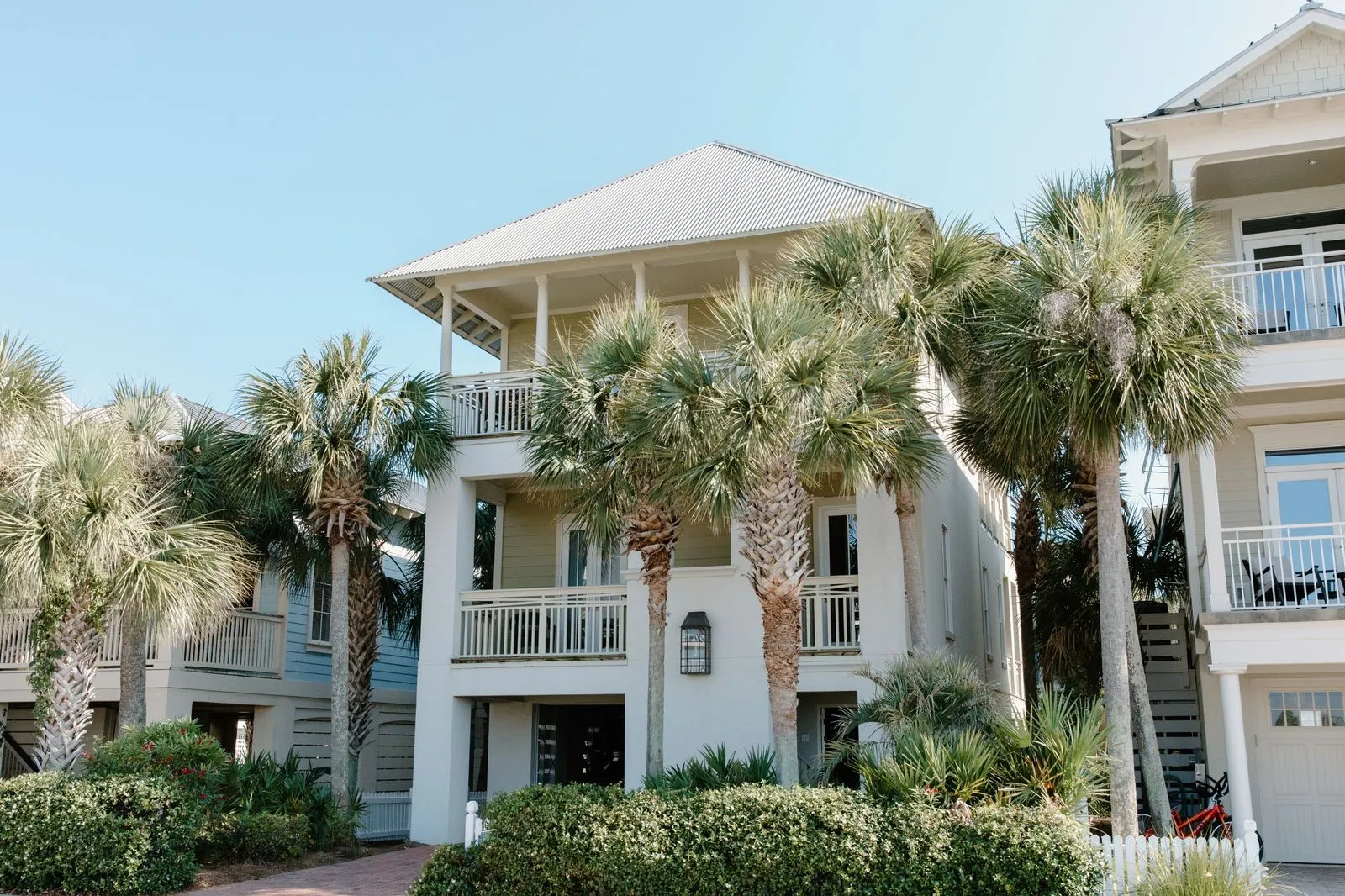
For a long-term rental, seeing the place in person with the real landlord is the best test. With a vacation home a thousand miles away, that's rarely possible, so you check the owner and the property separately. These steps follow the FTC's travel advice, plus two of our own, including the check that, in our view, tells you the most:
- Search the address and owner: Search the property's address plus the owner's or rental company's name. If other ads show up for the same address, especially under a different owner, the FTC says it's probably a scam.
- Check the company's own site: If a management company is named, look for the property on its website. If it isn't there, the FTC says the listing is likely a scam.
- Run a reverse image search: A reverse image search shows whether the photos appear in other listings or real estate ads.
- Confirm the address exists: Look it up on a map. For a resort, the FTC suggests calling the front desk to confirm the location and the contract details.
- Get the terms first: Get the cancellation and refund policies in writing before you pay. If you can't, walk away.
- Ask for a live video tour: Have the owner walk through the rental on a video call and point the camera out a window.
- Pay in a way you can dispute: If you pay an owner directly, we'd use a credit card, because you can dispute the charge with your card issuer. Wire transfers, gift cards and crypto are almost impossible to get back, as the FTC warns.
We rank the live tour highest. Asking for a photo of the place with a note showing your name and today's date used to be a decent test, but current AI image generators can render legible text, so that photo no longer proves much. A live video call where someone walks through the rooms and shows you a detail you pick on the spot is much harder to fake.
Even a live tour doesn't prove the person has the right to rent the place out. To spot retouched or staged listing photos, see our guide on how to tell if a photo is photoshopped.
Airbnb phishing: fake emails, texts and lookalike sites
Some Airbnb scams skip the fake listing and go straight for your login or card details. Airbnb's guide to spotting fake emails, texts, calls and websites says fraudulent emails often carry the Airbnb logo and a fake Airbnb address in the From line. Many copy text from real emails, such as a reservation confirmation or a payout confirmation. A real Airbnb link begins with https://www.airbnb.com or a country-specific address such as https://www.airbnb.co.uk. If Airbnb is misspelled in the address, the site is fake.
Legitimate emails only come from the Airbnb domains listed on that help page, and Airbnb names lookalikes such as @bnb.com or @reservation-airbnb.com as fakes. Watch for urgency, too: threats that your account will be suspended, your reservation lost or your payout delayed. When in doubt, don't tap the link. Open the app or type airbnb.com yourself, and report lookalike pages at airbnb.com/report-phishing.
If you already clicked a link or shared details, Airbnb says to contact it directly so it can help you secure your account. If you shared payment information, call your bank or card issuer as well.
Vrbo scams: what VrboCare covers and what it doesn't
Can you get scammed on Vrbo? Yes, and the playbook is the same as with Airbnb scams: get you off Vrbo Checkout. According to the VrboCare terms and conditions, Vrbo's guest program only applies to qualifying vacation rental stays booked on Vrbo and paid through Vrbo Checkout, not to hotels. It lists four protected incidents: internet fraud involving Vrbo Checkout, a host who denies entry or cancels, serious defects or misrepresentation, and a host who wrongfully refuses to return payments or deposits.
The terms are just as clear about what VrboCare doesn't protect: payments made entirely outside Vrbo Checkout, including cash, checks and direct bank transfers to a host. Vrbo also calls VrboCare a limited program, "not a satisfaction guarantee or 'money-back guarantee,'" and keeps full discretion over whether and how much it pays. In fraud cases, Vrbo only covers what your bank, card issuer or payment provider doesn't refund, and it may ask you to try them first.
We'd treat fake Vrbo emails and texts exactly like the Airbnb ones above. Don't use links from messages to pay or log in, open the Vrbo app yourself, and keep all payments inside Vrbo Checkout.
What AirCover covers if something goes wrong
Every home booking on Airbnb comes with AirCover for guests. According to Airbnb's AirCover page for guests, Airbnb steps in with serious issues your host can't resolve: a host who cancels before check-in, a problem when you can't reach your host, or a listing that's significantly different than advertised. Airbnb's examples include heating that fails in winter, fewer bedrooms than listed or a missing pool or kitchen. It then helps you rebook a similar place or gives you a full or partial refund.
There are limits. AirCover isn't an insurance policy, and it doesn't cover minor inconveniences like a broken toaster. Most important for this topic, it only protects bookings you pay for on Airbnb, so a wire transfer to a "host" leaves you without it.
If you find a problem when you arrive, Airbnb says to document it with photos or videos and tell your host within 72 hours of discovering it. If the host doesn't respond or can't fix it, contact Airbnb right away. Clear photos and videos are your strongest material in that conversation.
Airbnb scams against hosts: fake guests and payout phishing
Hosts get targeted too, including through phishing aimed at their payouts. Airbnb's phishing guide linked above warns about fake payout confirmations and messages threatening a delayed payout. It also says Airbnb will never call to ask you to change your payout method or share one-time codes, account passwords, or payment or payout details, even if the caller ID says Airbnb. Hang up, then call Airbnb yourself (the help page lists 1-844-234-2500) and report the caller's number, the time of the call and what was said.
Be just as careful with "guests" who want to pay outside Airbnb or move the conversation to text before booking. Airbnb's off-platform policy prohibits requesting, sending or receiving payments outside Airbnb. In our view, a guest who insists on it is a guest to decline, because an off-platform payment leaves you without the platform's support if it bounces or gets reversed. Sellers on marketplaces know this pattern well, and our guide to Facebook Marketplace seller scams shows how fake payments work there.
Scammed on Airbnb or Vrbo? What to do next
If one of these Airbnb scams already cost you money, or you typed your details into a fake page, act fast. Based on what Airbnb, Vrbo, the FTC and the FBI say, these are the steps:
- Call your bank or card issuer: Ask them to reverse the payment, and freeze your card if you entered its details on a fake page.
- Tell the platform: On Airbnb, click or tap the three dots on the message and choose Report this message. On Vrbo, contact Vrbo right away, because VrboCare expects prompt notice.
- Save the evidence: Take screenshots of the listing, messages, emails, website and payment.
- Secure your account: Change your password and turn on two-factor authentication if you logged in through a link.
- File official reports: Report it to the FTC at ReportFraud.ftc.gov and to your state attorney general, as the FTC recommends for travel scams.
You can also file with the FBI's Internet Crime Complaint Center. According to the IC3 FAQ, analysts review complaints and share information with law enforcement and partner agencies as appropriate, but IC3 doesn't investigate cases itself, so contact your local police if your case is urgent. Our guide on how to report a rental scam explains what to include in each report. For card disputes and payment app claims, the steps in scammed on Facebook Marketplace apply to rentals too.
Showing guests your rental photos are current
All these fake listings make life harder for real owners. If you rent out a place through Facebook, a classified site or your own website, careful guests will ask how they know it's real, and they're right to ask. Proof that your photos are current and unaltered can shorten that back and forth.
We're building TrustCamera for exactly this. You take photos or a short video of the rental directly in the app; gallery uploads aren't possible. Every capture gets a check code. When a guest asks for proof, you take a fresh photo and send the code, which they check right away for free in their browser, without an account. They see that the file hasn't changed since capture, along with the capture time and approximate location, accurate to about 10 km (6 miles) and never the exact spot.
Guests can use the same idea at check-in. Take photos of the condition in the app and send the codes to your host right away so they can check them on the spot, and keep your own copies too. For a full walkthrough, see our move-in inspection guide.
The limits matter: the code proves the file, not the scene. It can't show that the sender has the right to rent the place, that nothing was kept out of frame, or that someone will hand you the keys. It documents condition in a way others can check, but it doesn't settle a dispute or replace a booking with platform protection. Our Android and iOS app is coming soon.
Frequently asked questions about Airbnb scams
Are Airbnb scams common?
We found no figures from Airbnb or Vrbo on how often guests get scammed. Airbnb has reported removing fake listings, though, so some do reach the platform. The FTC lists vacation home scams among the common travel scams it warns consumers about. Most schemes depend on getting you to pay outside the platform, so if you keep every message and payment on Airbnb or Vrbo, you avoid the most common traps.
How do Airbnb scams work?
Most Airbnb scams try to move you off the platform. A fake or hijacked listing leads to a host who wants to chat by text or email and get paid by wire transfer or payment app. Other scams use phishing emails and lookalike websites to steal your login or card details. In both cases, your money ends up where Airbnb can't help you.
Can you get scammed on Vrbo?
Yes. Vrbo scams follow the same pattern: a host or fake listing pushes you to pay outside Vrbo Checkout. According to the VrboCare terms, payments made entirely outside Vrbo Checkout, including cash, checks and direct bank transfers to a host, aren't protected. Book and pay only through Vrbo, and treat any request to do otherwise as a warning sign.
How do I report a scam or phishing attempt to Airbnb?
Flag suspicious messages directly in the Airbnb conversation, and report lookalike websites at airbnb.com/report-phishing. If you think a call or email was fake, contact Airbnb yourself through the app or website instead of replying. If you lost money, also report it to your bank, the FTC at ReportFraud.ftc.gov and your local police.
Will Airbnb refund me if I get scammed?
If you booked and paid on Airbnb, AirCover can help with serious issues like a host canceling before check-in or a listing that's significantly different than advertised, with rebooking or a full or partial refund. If you paid outside Airbnb, AirCover doesn't apply. Then your best options are your bank or card issuer and official reports.
How do you know if a Vrbo or Airbnb listing is legit?
Search the address plus the owner's name to see if it appears elsewhere under a different owner, run a reverse image search on the photos, and confirm the address on a map. Check that you can book and pay on the platform itself. For listings outside Airbnb or Vrbo, ask for a live video tour before you pay anything.
Conclusion: avoiding Airbnb scams means staying on the platform
Almost every scheme needs one thing from you: a step off the platform. Avoiding Airbnb scams mostly comes down to refusing that step, whether it's a text before booking, a wire transfer, a "discount" for booking direct or a link to confirm your payment. Keep bookings, messages and payments on Airbnb or Vrbo, and your guest protection stays in place.
For rentals you find elsewhere, check the owner and the property separately, and ask for a live tour before you pay. If something already went wrong, call your bank first, then report it to the platform and the FTC.
About the author

Co-founder & Marketing at TrustCamera
Yannick is a co-founder of TrustCamera and leads marketing and content. He holds a bachelor's and a master's degree in business and has worked in content marketing and SEO for years.